


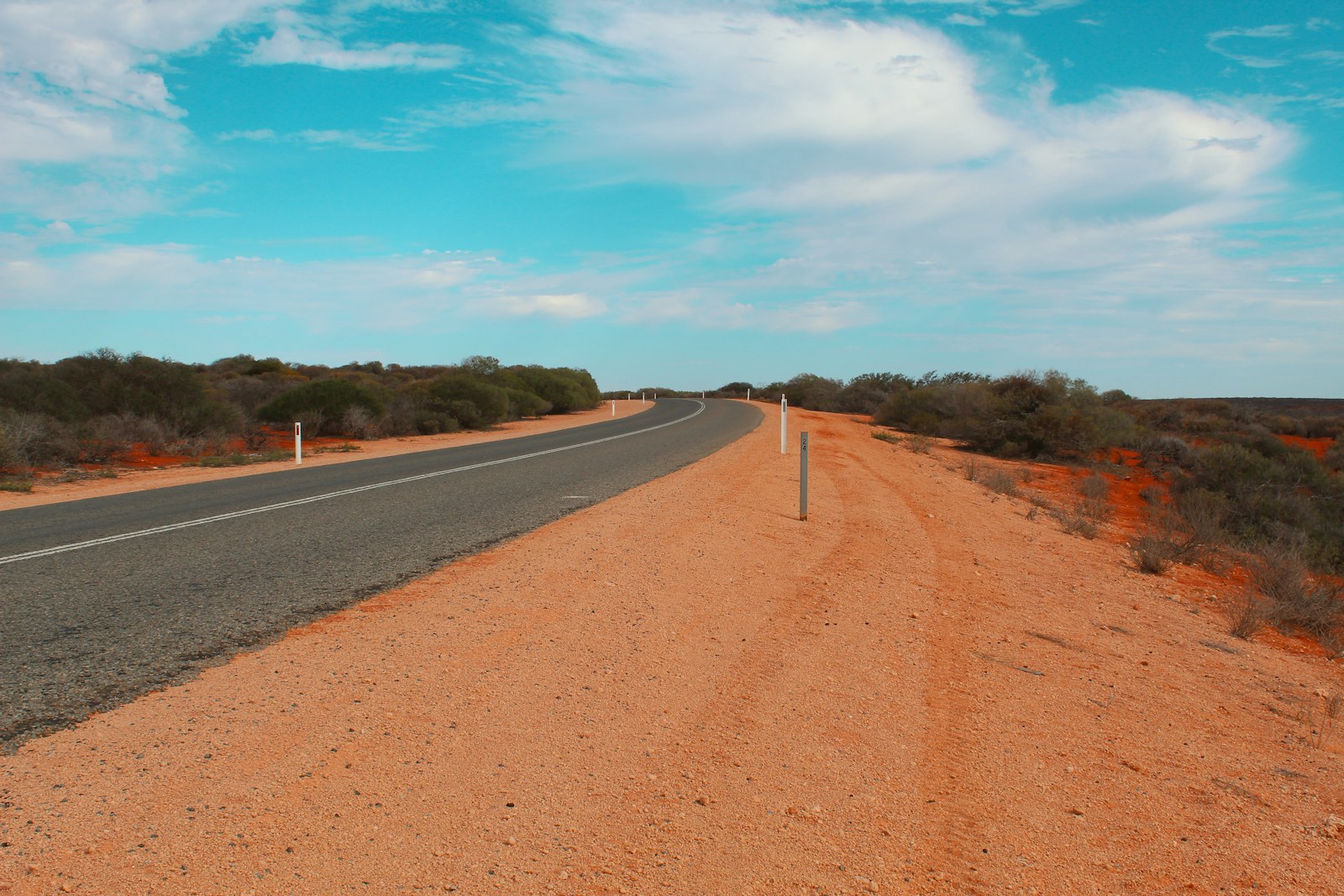
88 days jobs
in Australia.
Get your second year.
Most working holiday makers need 88 days of specified work in regional Australia for a second year, and six months for a third. Send us your CV, see where the work is, and check a job before you take it.
Just landing? Our working holiday arrival packages pick you up at the airport and get your first week sorted.
Job matching opens soon
- The postcode checker works now
- Send your CV now to be first in line
- We'll contact you when matching opens
- 2nd year
- 88 days
- 3rd year
- 179 days
- Work areas listed
- 46 towns
- Postcode checker
- Free
 Send your CV · matching coming soon
 No experience?
You don't need it.
88-day work isn't just fruit picking. Vineyards, orchards and packing sheds, building sites, mines, tree planting, and hostels, bars and tours up north. Most of it needs no experience, just reliability and an early start.
- 01
Send your CV
- 02
We match it
- 03
Count your days
Be first in line
We'll match your CV against regional jobs that count for your visa when matching opens.
Got it, thanks!
Check your inbox for a confirmation. We'll match your CV against regional jobs and email you when something fits.
Check a job's postcodeWill a job count for 88 days?
Weighing up a job offer? Check it before you start. Pick your visa and the type of work, enter the job's postcode, and we'll check it against the official Home Affairs lists.
Not sure which visa? Most Europeans, Canadians, Japanese and Koreans hold a 417. Americans, Spanish, Chileans and Argentines hold a 462.
Based on the Home Affairs specified work postcode lists, checked 9 October 2026. Lists change, so confirm on the official page before you start. Not legal advice.
Specified work, in plain English.
"88 days" is the backpacker name. Home Affairs calls it specified work: the right type of job, in the right postcode, paid properly.
-
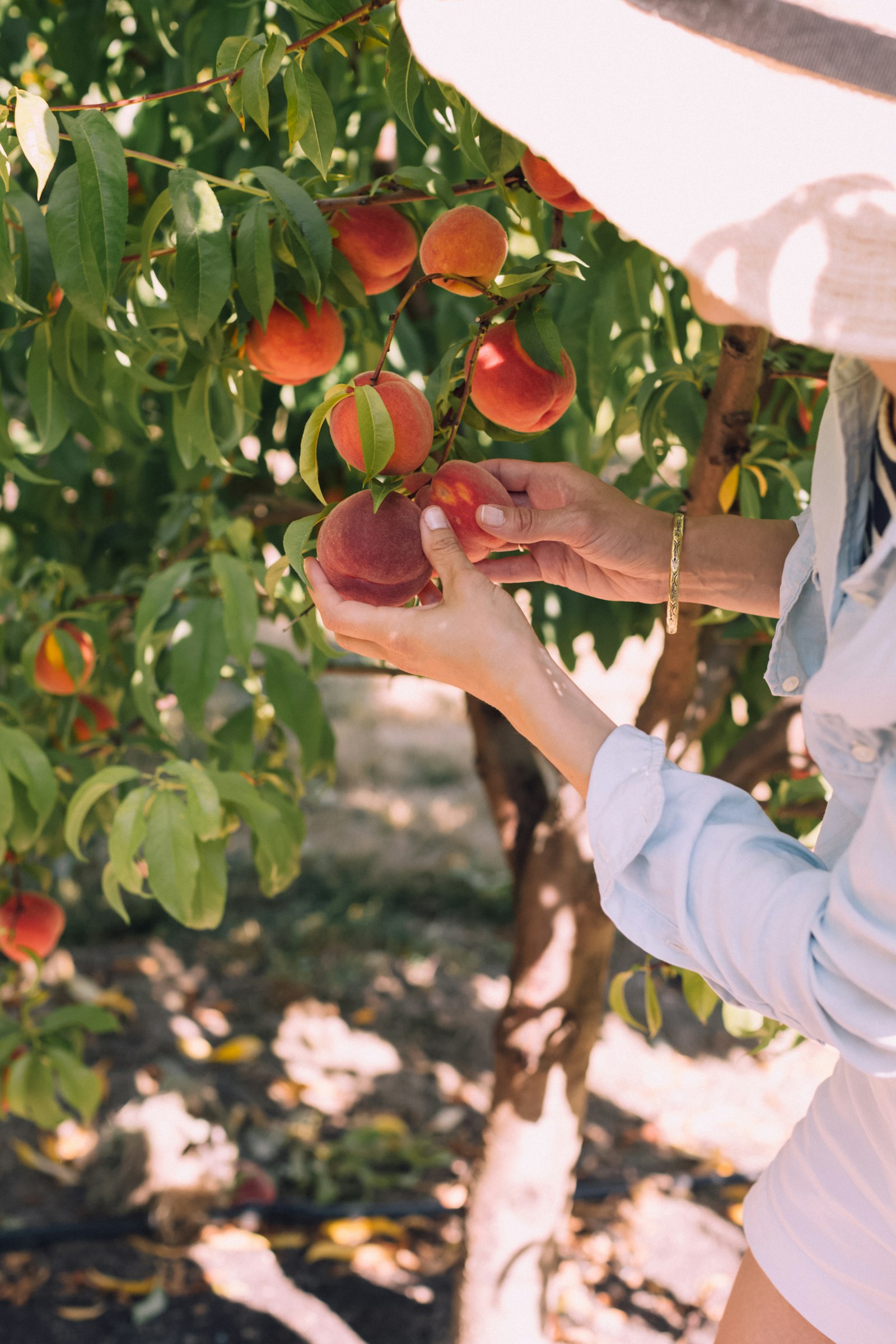
Fruit picking & harvest
The classic. Orchards, berries, citrus and packing sheds.
-
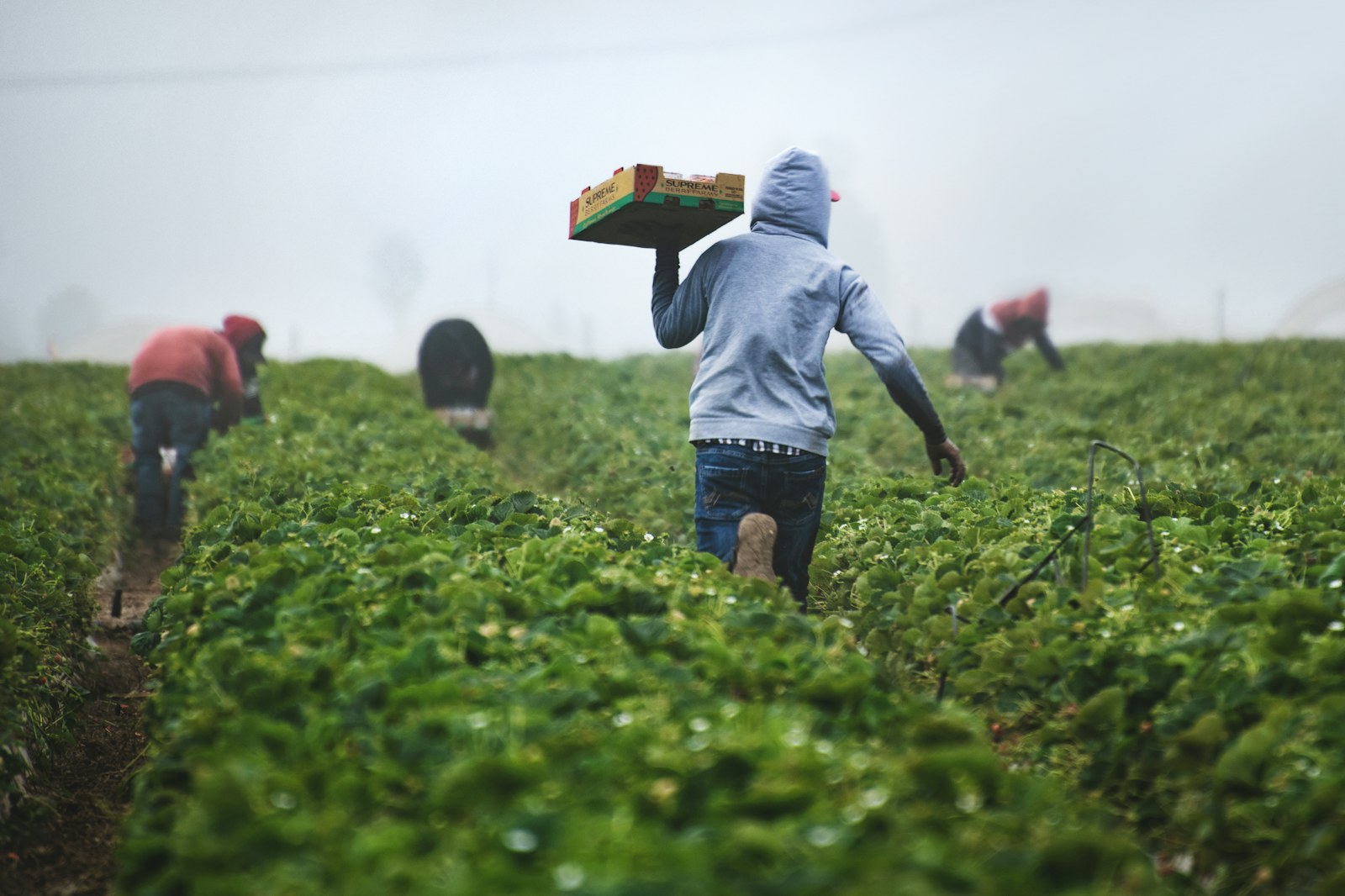
Plant cultivation & farms
Vegetables, vineyards, hops, herbs: planting, pruning, packing.
-

Construction
Builders, labourers, trades. Regional postcodes only.
-
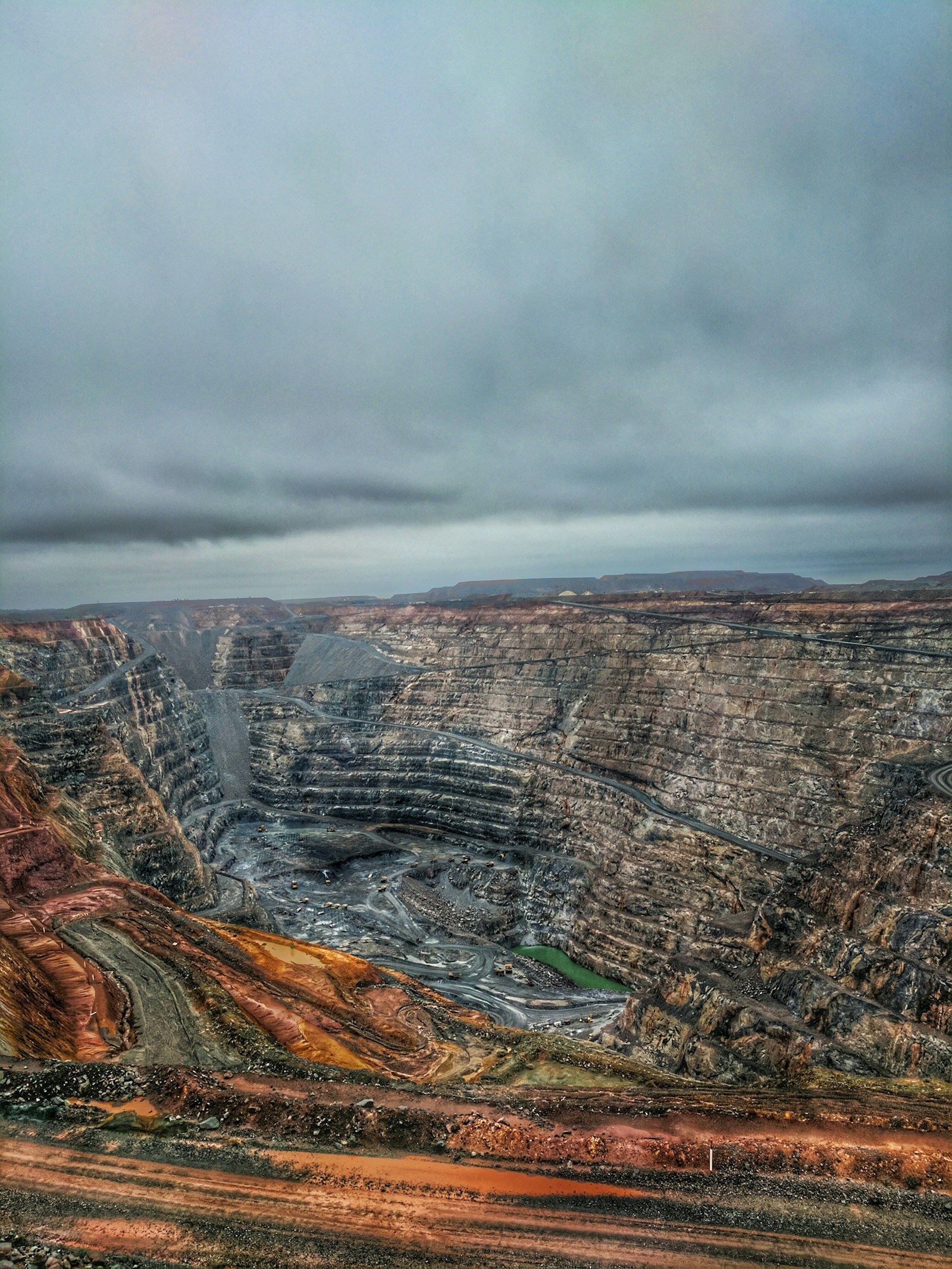
Mining
Open-cut, underground and processing. Not on a 462.
-
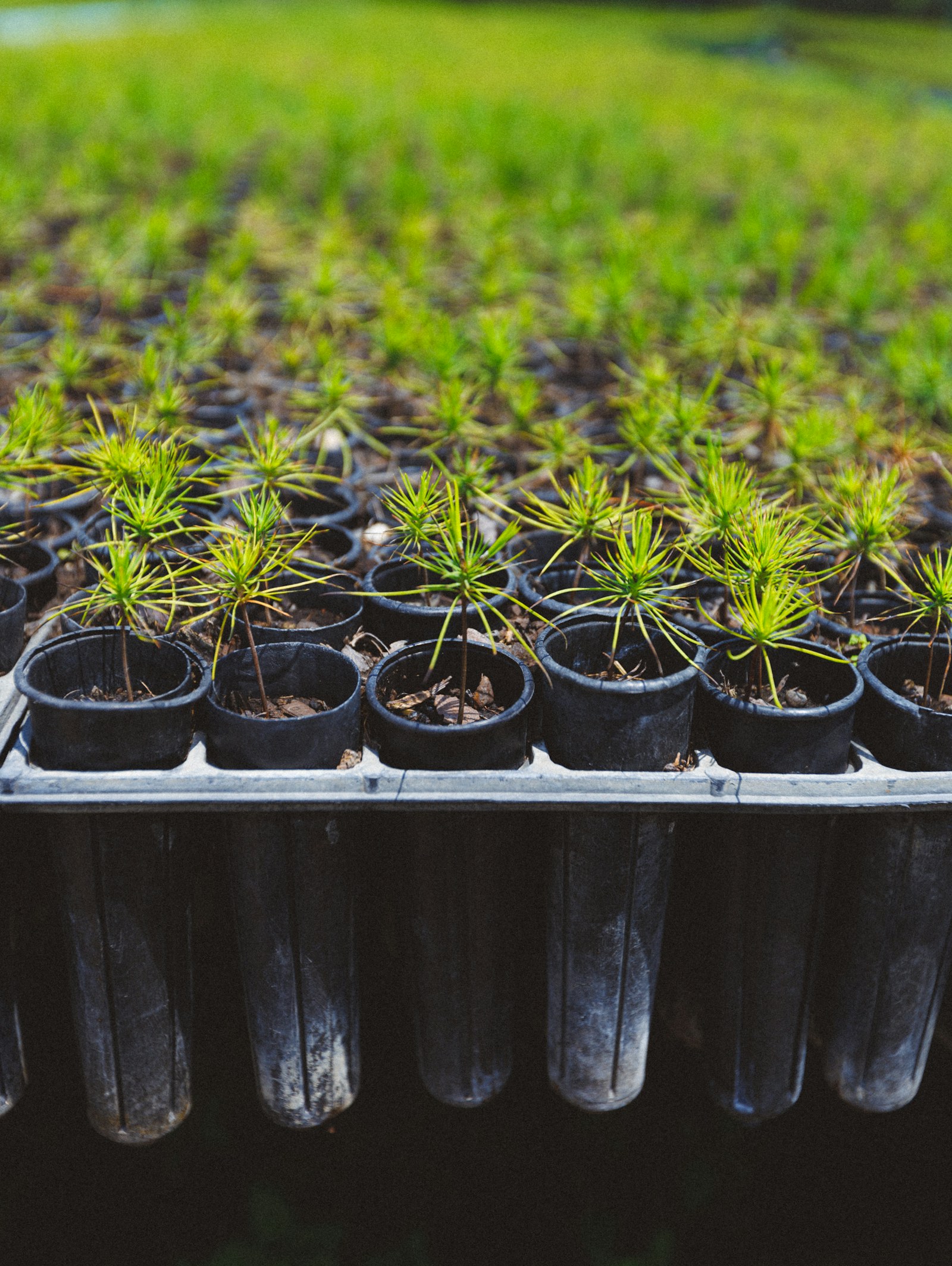
Tree farming & forestry
Planting, harvesting, milling. North only on a 462.
-

Tourism & hospitality
Bars, hostels, tours: anywhere in Northern Australia, plus remote postcodes in every state.
The rules that trip people up
-
Regional postcode.
The job's postcode must be on the Home Affairs list. No capital-city postcodes, and hospitality only in Northern Australia or remote areas.
-
Award pay, with payslips.
Cash-in-hand days don't count. Keep every payslip and your employer's ABN.
-
88 calendar days, full-time.
Weekends inside your working period count. Part-time works but takes proportionally longer, and you can split it across jobs.
-
Done on your current visa.
The days must be worked while the visa you're on is valid (your first-year visa for a second year), and you apply in ImmiAccount before it expires.
Where the work actually is
Harvest towns, building sites, mines and tourist hotspots. Look for Hospitality counts where bar, hostel and tour jobs qualify too. Harvest seasons are rough guides, so call ahead to check how the season is going.
QLD Queensland 12 areas · Cairns · Airlie Beach · Townsville …
The biggest state for 88-day work. From Mackay north, hospitality and tourism jobs count too, so a hostel, bar or tour job in Cairns, Airlie Beach or Townsville can get you your second year. Brisbane and the Gold Coast don't count.
Cairns & Port Douglas
Year-roundHostels, bars, restaurants, reef and tour crews, construction
Hospitality countsAirlie Beach & the Whitsundays
Year-roundHostels, bars, sailing and tour crews, resorts
Hospitality countsTownsville & Magnetic Island
Year-roundHospitality, construction
Hospitality countsMackay & Emerald
Year-roundConstruction, mining support, hospitality
Hospitality countsMount Isa
Year-roundMining, hospitality
Hospitality countsBowen
May – NovTomato, capsicum, mango, plus hospitality
Hospitality countsTully & Innisfail
Year-roundBanana, sugar cane
Hospitality countsMareeba (Atherton Tablelands)
May – DecCoffee, mango, avocado
Hospitality countsBundaberg & Childers
Year-roundVegetables, citrus, macadamia, avocado, packing sheds
Lockyer Valley (Gatton)
May – NovVegetables and packing
Stanthorpe
Dec – MayApple, stone fruit, wine grape
Sunshine Coast hinterland
Jun – OctStrawberries, construction
NSW New South Wales 7 areas · Griffith · Young · Orange …
Most of regional NSW counts for farm and construction work, including Byron Bay, Coffs Harbour and the Central West. Sydney, the Central Coast, Newcastle and Wollongong don't. Hospitality only counts in remote outback towns.
Griffith & Leeton
Mar – JulCitrus, wine grape, stone fruit
Young
Nov – JanCherry harvest
Orange & Batlow
Feb – MayApple, pear, cherry, vineyards
Tumut
Year-roundPine plantations (tree planting), apples
Coffs Harbour
Year-roundBlueberry, banana
Byron Bay & Northern Rivers
Year-roundMacadamia, blueberry, construction
Bourke & the far west
VariesHospitality, cotton, citrus
Hospitality countsVIC Victoria 5 areas · Mildura · Swan Hill · Shepparton …
The Murray Valley is the heart of Victoria's harvest, and regional cities like Ballarat, Bendigo and Geelong count for construction work. Melbourne doesn't.
Mildura & Robinvale
Jan – AprWine grape, citrus, almond
Swan Hill
Nov – AprStone fruit, vegetables
Shepparton & Cobram
Jan – MayApple, pear, peach, plum
Bright & the High Country
Feb – AprHops, apple, vineyards
Ballarat, Bendigo & Geelong
Year-roundConstruction
WA Western Australia 8 areas · Broome · Pilbara · Carnarvon …
Huge distances, but steady work. North of Carnarvon, hospitality and tourism count too. The South West is wine and orchard country, and mining pays the most. Perth doesn't count.
Broome & Exmouth
Year-round, busiest May – OctHostels, bars, resorts, tour crews
Hospitality countsPilbara (Karratha, Port Hedland)
Year-roundMining, construction, hospitality
Hospitality countsCarnarvon
Year-roundBanana, mango, vegetables
Hospitality countsKununurra
Jun – DecMango, melon, chickpea
Hospitality countsEsperance
Year-roundHospitality, farm work
Hospitality countsKalgoorlie
Year-roundMining (often fly-in fly-out)
Margaret River
Feb – AprWine grape
Manjimup
Feb – MayApple, avocado, vegetables
SA South Australia 5 areas · Riverland · Barossa · Adelaide Hills …
All of South Australia counts as regional, Adelaide included, so farm and construction work anywhere in the state counts. Hospitality counts in remote spots like Kangaroo Island and Coober Pedy.
Riverland (Renmark)
Feb – JunCitrus, wine grape, stone fruit
Barossa & Clare Valley
Feb – AprWine grape
Adelaide Hills
Nov – MayApple, pear, cherry
Adelaide
Year-roundConstruction
Kangaroo Island, Port Lincoln & Coober Pedy
Year-roundHospitality and tourism
Hospitality countsNT Northern Territory 4 areas · Darwin · Alice Springs · Uluru …
Every NT postcode counts for hospitality and tourism, so a hostel, bar or tour job anywhere in the Territory gets you there.
Darwin
Year-round, busiest May – OctHospitality, construction
Hospitality countsAlice Springs
Year-roundTourism, hospitality
Hospitality countsUluru (Yulara) & Kakadu
Year-roundResort, hospitality and tour work
Hospitality countsKatherine
Apr – OctMango, melon, hospitality
Hospitality countsTAS Tasmania 5 areas · Huon Valley · Launceston · Devonport …
All of Tasmania counts as regional, Hobart included, for farm and construction work. Hospitality counts on the remote west and east coasts, like Strahan and Coles Bay.
Huon Valley
Dec – AprApple, cherry, berry
Launceston & Tamar Valley
Nov – MayCherry, berry, vineyards
Devonport & the north-west
Year-roundVegetables, herbs, hops
Hobart
Year-roundConstruction
Strahan & Coles Bay
Year-round, busiest Oct – AprHospitality and tourism
Hospitality countsGetting between harvest towns: most Queensland hubs sit on the Brisbane to Cairns highway, so the East Coast bus pass is the cheap way to chase the season without a car. The National pass goes further, and a campervan suits farms out of town.
2nd and 3rd-year visas are moving to a ballot.
Announced 17 September 2026: second-year visas capped at 45,000 a year and third-year at 5,000, allocated by ballot. Your 88 days (or six months) would get you into the draw, not guarantee a visa. It isn't law yet and has no start date, so today's rules still apply. If you qualify now, finish your days and lodge as soon as you can.
Read the detail ▾
Announced
- 2nd-year visas: 45,000 a year by ballot (about 57,000 were granted last year).
- 3rd-year visas: 5,000 a year by ballot (about 31,000 qualified last year).
- First-year 417/462 visas aren't affected.
- UK passport holders still don't need regional work to extend.
Not confirmed yet
- The start date. Home Affairs says ballots will roll out progressively from around the end of 2026.
- What happens to anyone part-way through their days.
- How to register, what it costs, and how often draws run.
- Whether any other nationalities are exempt.
More in our 88-day visa work guide.
Things people get wrong
Not legal advice. Visa rules change. Check with the Department of Home Affairs or a registered migration agent before booking flights or quitting a job.
What does Wanderlust do for working holiday makers?
Wanderlust Travel helps working holiday makers arrive, find work and travel: arrival packages in Sydney and Melbourne from $739, a free 88 days postcode checker for 417 and 462 visas, CV job matching (opening soon), and East Coast tours and bus passes for when the work is done. Send us your CV on this page and we'll match it against regional jobs that count for your visa when matching opens.
What are 88 days jobs?
88 days jobs are paid farm, construction, fishing, forestry or regional tourism and hospitality jobs in eligible regional postcodes that count towards your second Working Holiday visa (subclass 417 or 462). You need 88 days of specified work, paid at award rates with payslips, in a postcode on the Home Affairs list. Use the postcode checker above to test any job before you take it.
I worked in a city. Does it count?
Almost never. Sydney, Melbourne, Brisbane, Perth, the Gold Coast, Canberra, Newcastle and Wollongong aren't on the regional list, so city jobs don't count. The exceptions: all of South Australia and Tasmania count as regional, so farm and construction work in Adelaide or Hobart counts, and hospitality counts in northern cities like Darwin, Cairns and Townsville. Check any job with the postcode checker above.
Can I do my 88 days with one employer?
Yes, and it's often easier for paperwork. But you can also split across multiple farms/jobs as long as they all qualify and you log the calendar days.
Is cash-in-hand farm work OK?
No. Specified work must be paid at award rates with proper records. Cash-in-hand days won't count toward your 88 days, and you'll have no payslips to prove them.
I'm doing the 3rd-year extension. Same rules?
Different: you need 6 months (179 days) of specified work for the 3rd year. Same eligible postcodes and work types, just more of it. Heads up: the 3rd year is set to move to a 5,000-place ballot (see above).
What if I'm injured and can't work?
Paid sick days, or workers compensation leave, count as days of specified work. Unpaid days off, including for bad weather, don't. Plan for that by starting early, and get travel insurance that covers farm work (most consumer policies exclude it).
How does the 88 days postcode checker work?
Pick your visa (417 or 462), choose the type of work and enter the job's postcode. The checker tests it against the Home Affairs regional, remote and Northern Australia postcode lists and tells you straight away whether that job counts as specified work. It's free and needs no sign-up. A postcode that counts still needs the right work type and award-rate pay with payslips.
Can I find 88-day work myself?
Yes. The government's free Harvest Trail service on Workforce Australia lists who's hiring by region and crop, working hostels in harvest towns often have links with local growers, and many farms hire people who turn up at the start of the season. Before you start, check the postcode and job type with the checker above and make sure you'll be paid award rates with payslips. Never pay anyone upfront for a job.
I'm on a 462 visa. Are the rules the same?
Mostly. The main differences: mining doesn't count at all on a 462, and tree farming only counts in Northern Australia. Farm work, construction and tourism and hospitality follow the same postcode lists. The checker above handles both visas.
Spend the pay on the good bit.
Most backpackers do their farm work, then see the coast with the money. Here's where to start.
 Arrival packages
 Land with a plan
Airport pick-up, a hostel bed with a group and guided first days in Sydney or Melbourne. Some include help with jobs and admin.
 East Coast tours
 The East Coast, sorted
Multi-day packages that string the big-ticket stops together: K'gari, the Whitsundays, the reef.
 Travel Mates
 Do the coast, make mates along the way
Our semi-guided East Coast trips. Pick your start date, travel solo, guides and other backpackers on the big days.
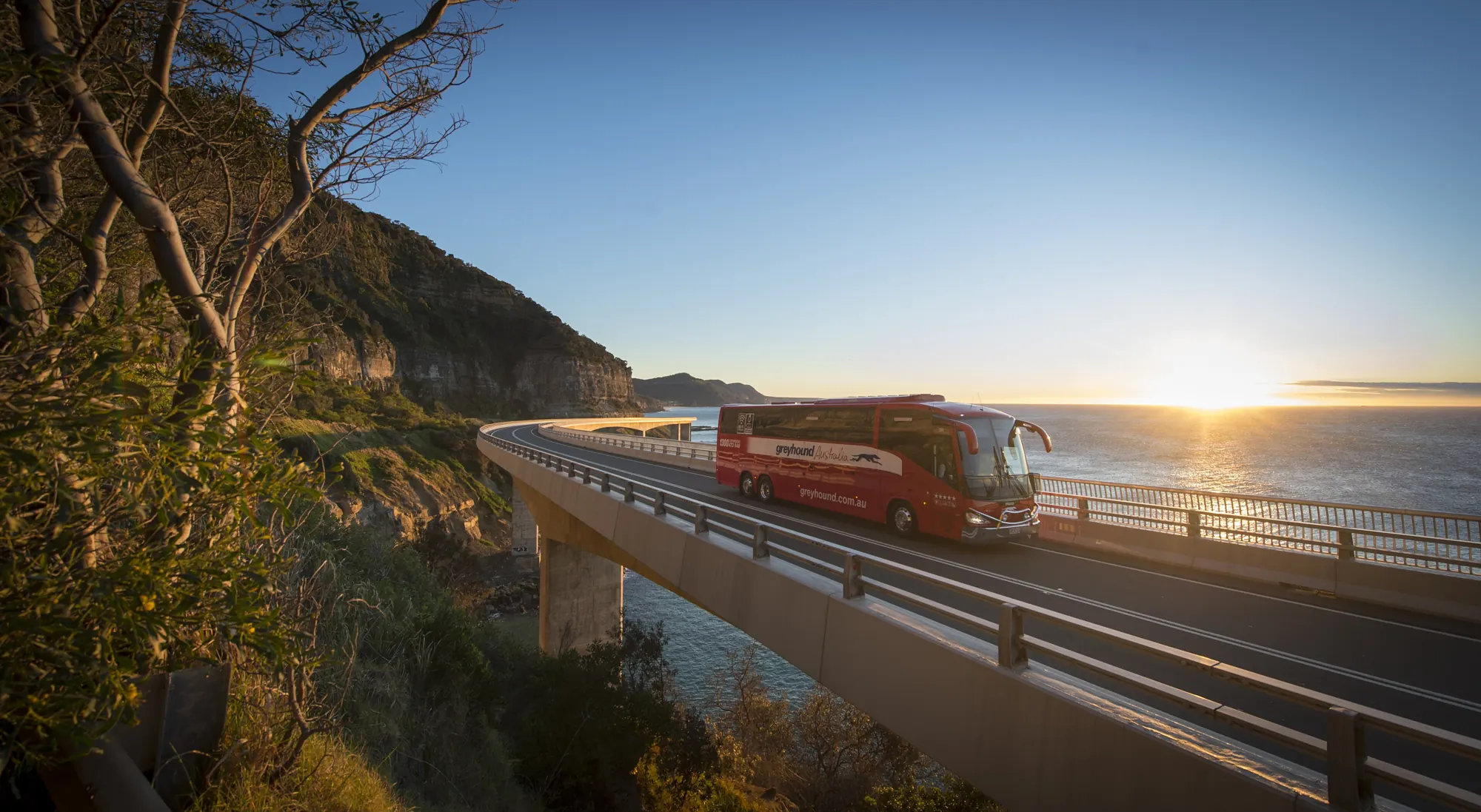 Bus passes
 Chase the harvest by bus
Hop-on hop-off passes up and down the coast. The cheap way between harvest towns without a car.