Short answer: yes, it’s normal. Almost everyone feels nervous before travelling solo, the low point usually hits in the first few hours, and it typically fades within two or three days once jet lag clears and you’ve met a few people. Head to the hostel common area on day one, say yes to one group activity on day two, and pick social hostels for the first week.
If your stomach drops a little every time you look at your flight confirmation, good. That means you’re about to do something that matters.
Almost everyone who travels solo feels it. The ones who look relaxed in the hostel bar felt it too, usually about two days earlier. Here’s an honest look at the first 48 hours, the bit everyone dreads, so none of it catches you off guard.
Hour 0: landing
You’ll be tired, a bit dazed, and probably wondering what you’ve done. That’s jet lag talking, not instinct.
Keep it simple:
- Get connected before you leave the airport. Buy a local SIM or switch on an eSIM so maps and messages work straight away.
- Know how you’re getting to your bed. In Sydney, the airport train gets you to the city fast, and contactless bank cards work on public transport. Check your route on the plane.
- Book your first night or two before you land. Turning up with nowhere to sleep is the one bit of spontaneity worth skipping.
That’s it. You don’t have to be brave yet. You just have to get to the hostel.
Hours 2 to 6: the low point (it’s normal)
You check in. Your dorm’s empty, or full of people asleep in the middle of the day. You sit on your bunk and think: what now?
This is the lowest moment of most solo trips, and it happens on day one for nearly everyone. It’s a mix of jet lag, a strange room and nobody to talk to yet. It passes. Have a shower, eat something proper, and get outside into daylight. The light helps your body clock more than another nap.
Hours 6 to 12: the first conversation
Go downstairs. Sit in the common area, the kitchen or by the pool. Don’t stay in your room.
You don’t need a clever line. Backpackers ask each other the same three questions all day long:
- “Where are you from?”
- “How long have you been here?”
- “Where are you heading next?”
Somebody will ask you one of these within about ten minutes. Answer, ask one back, and you’re in. If the hostel has a free dinner, a quiz or a bar crawl that night, go, even if you’re tired. Leave whenever you like. Just turn up.
Day two: say yes to one thing
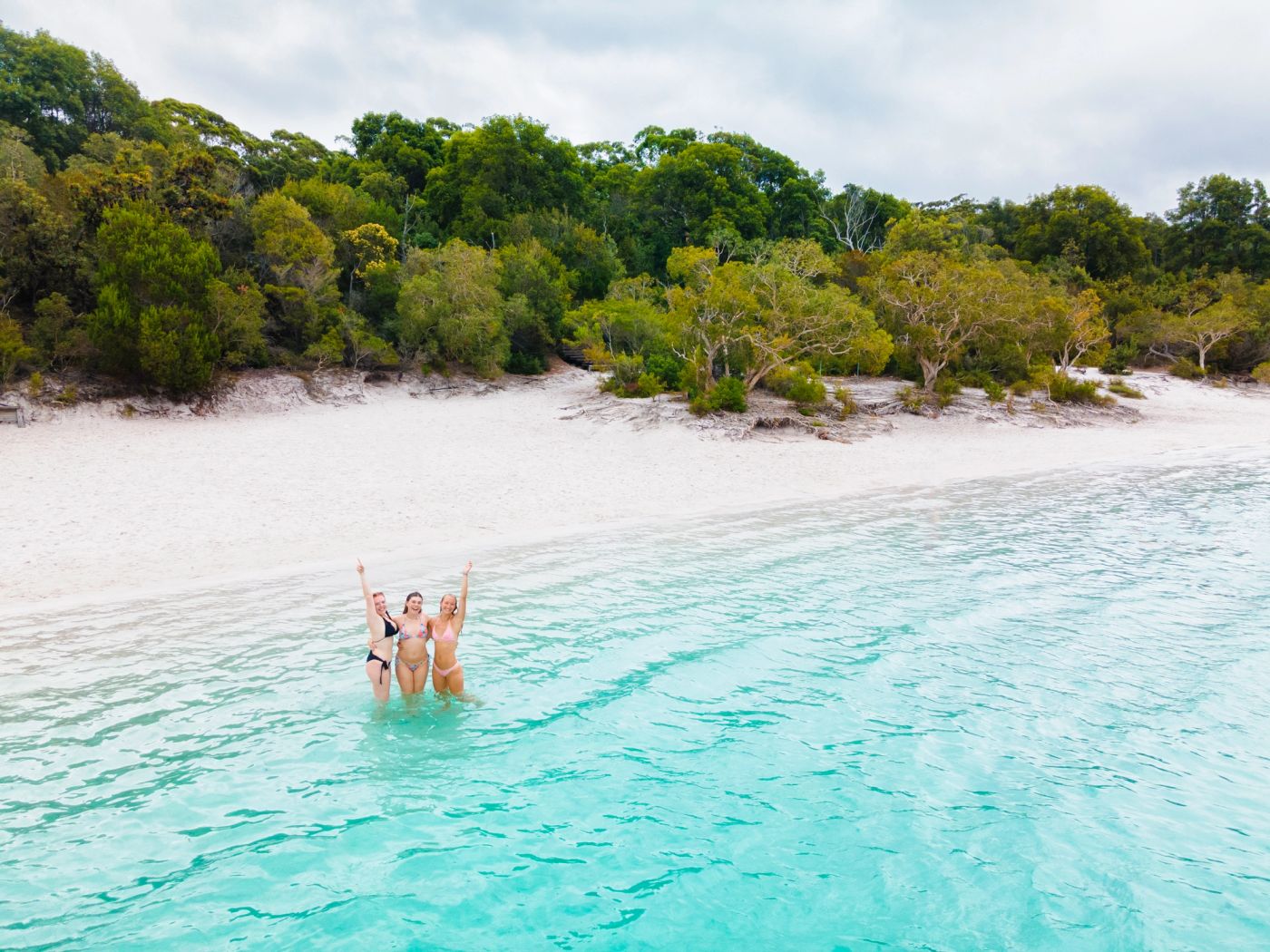
Jet lag will probably wake you at a silly hour. Fine. Use it: watch the sunrise at the beach, do a coastal walk, find a good coffee.
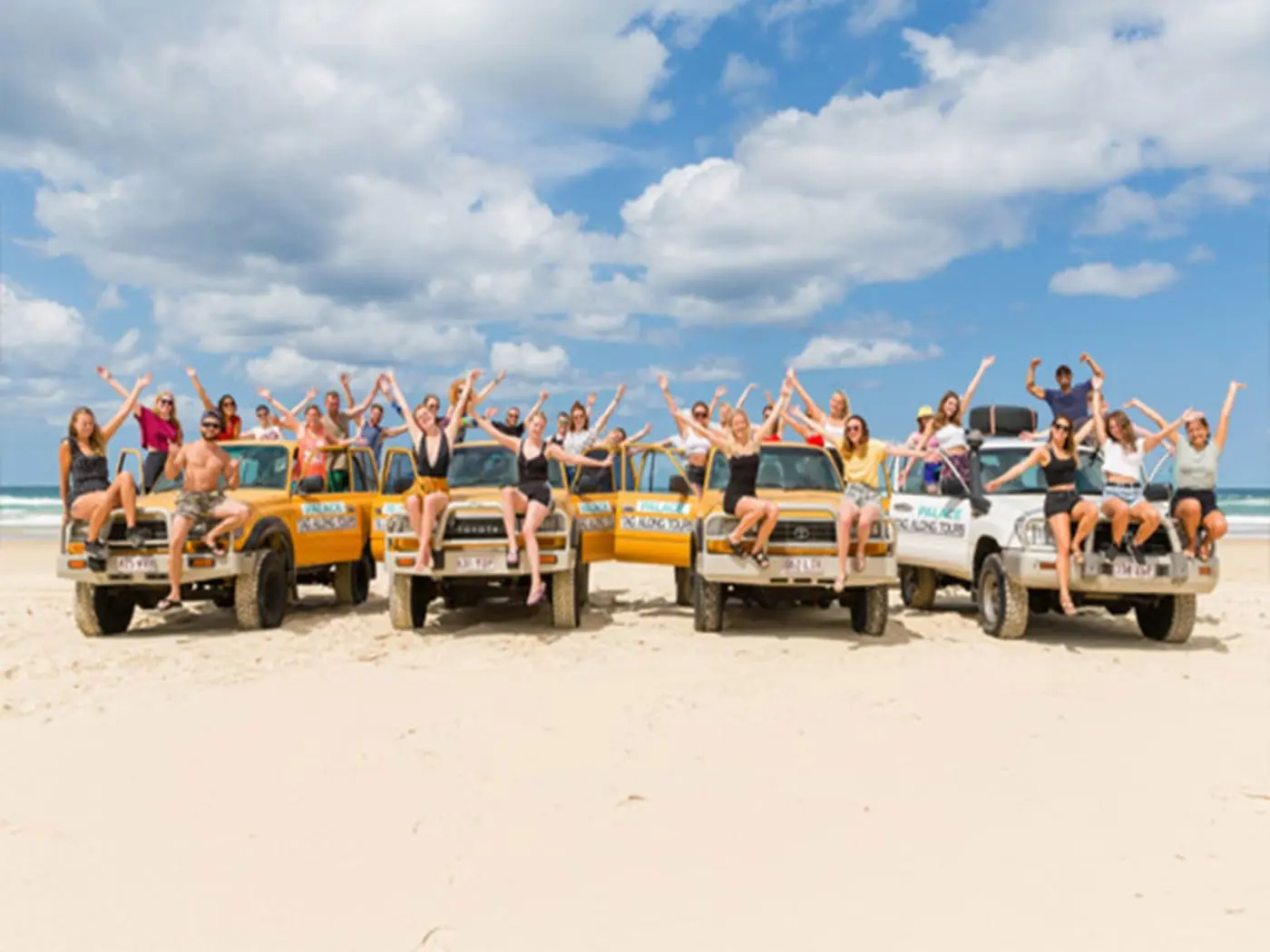
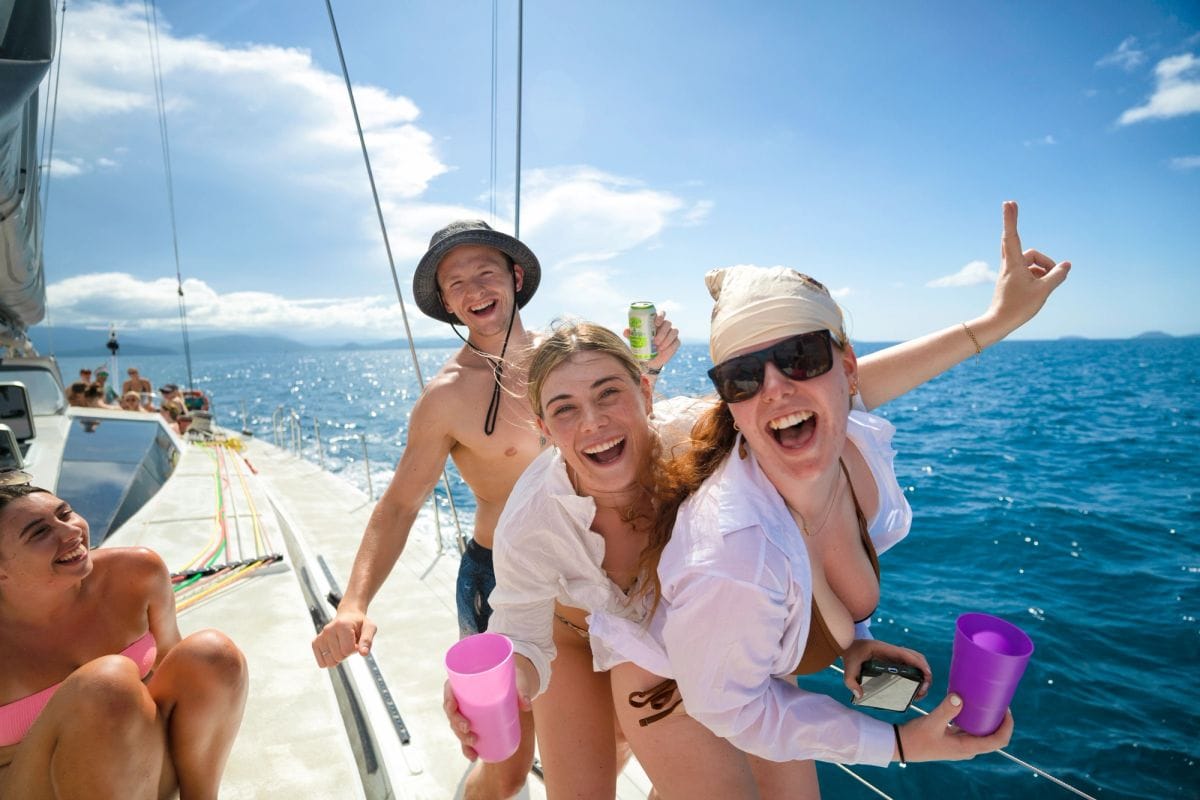
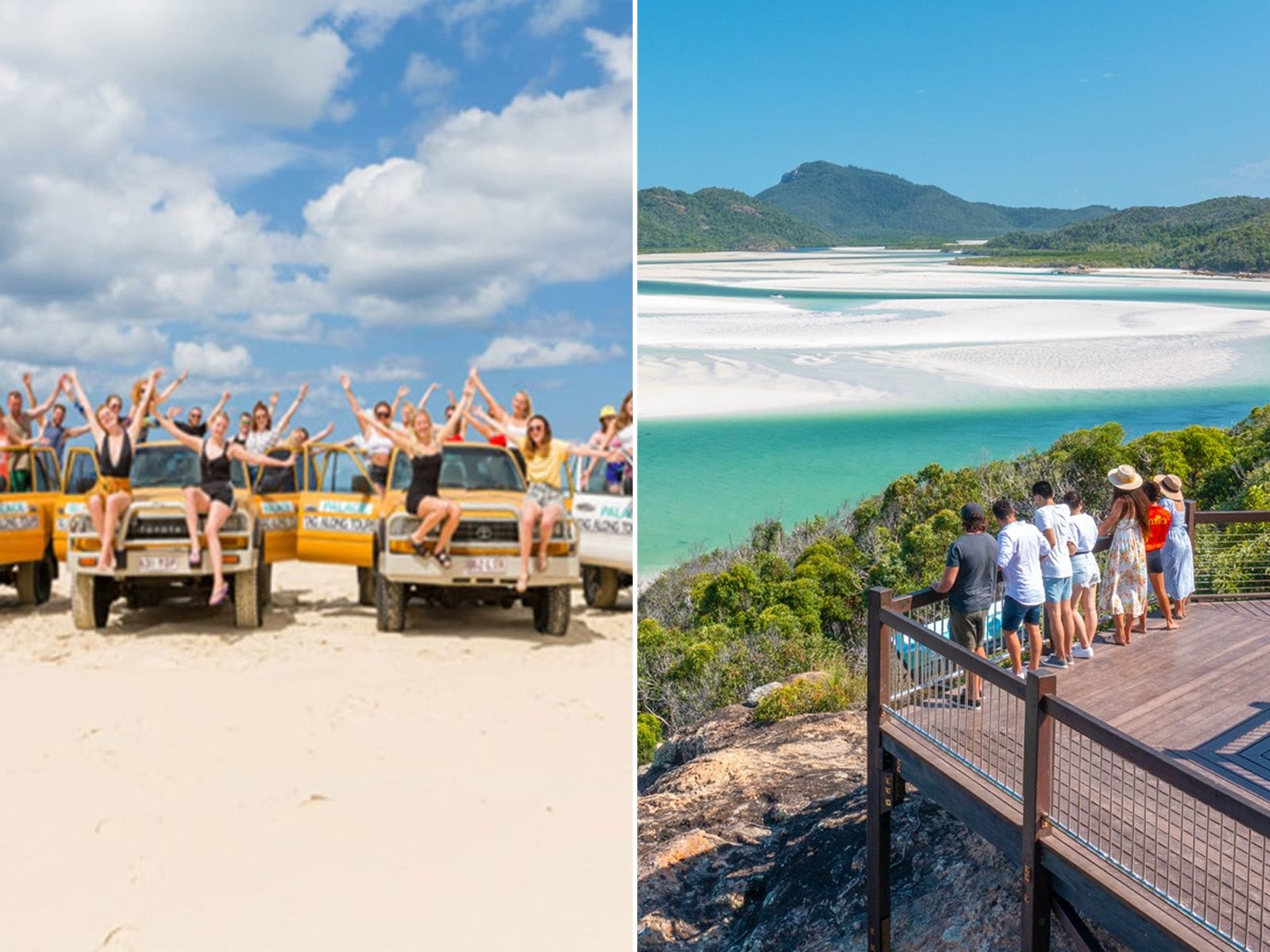
Then say yes to one group thing. A walking tour, a day trip, a surf lesson, whatever’s on the hostel noticeboard. It doesn’t matter much which. You’re with a small group of people who’ve all chosen to do the same thing, and conversation starts itself.
Hour 48: when it clicks
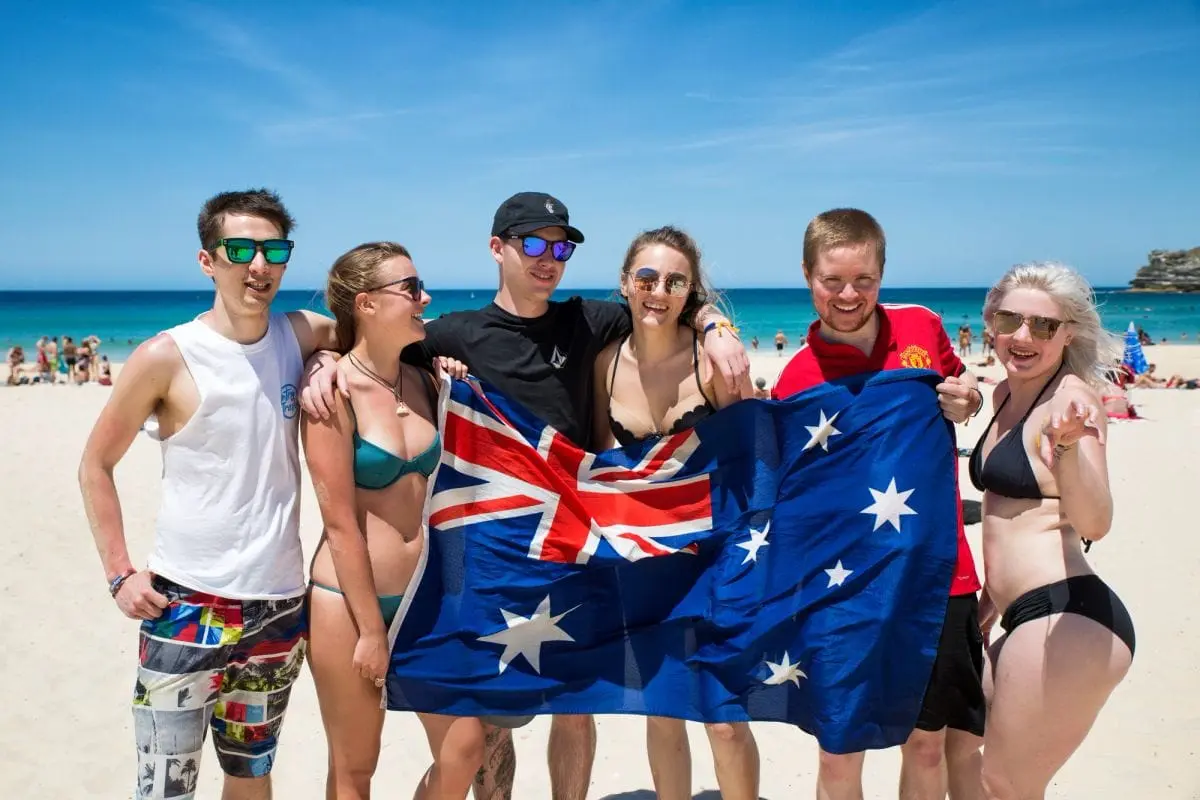
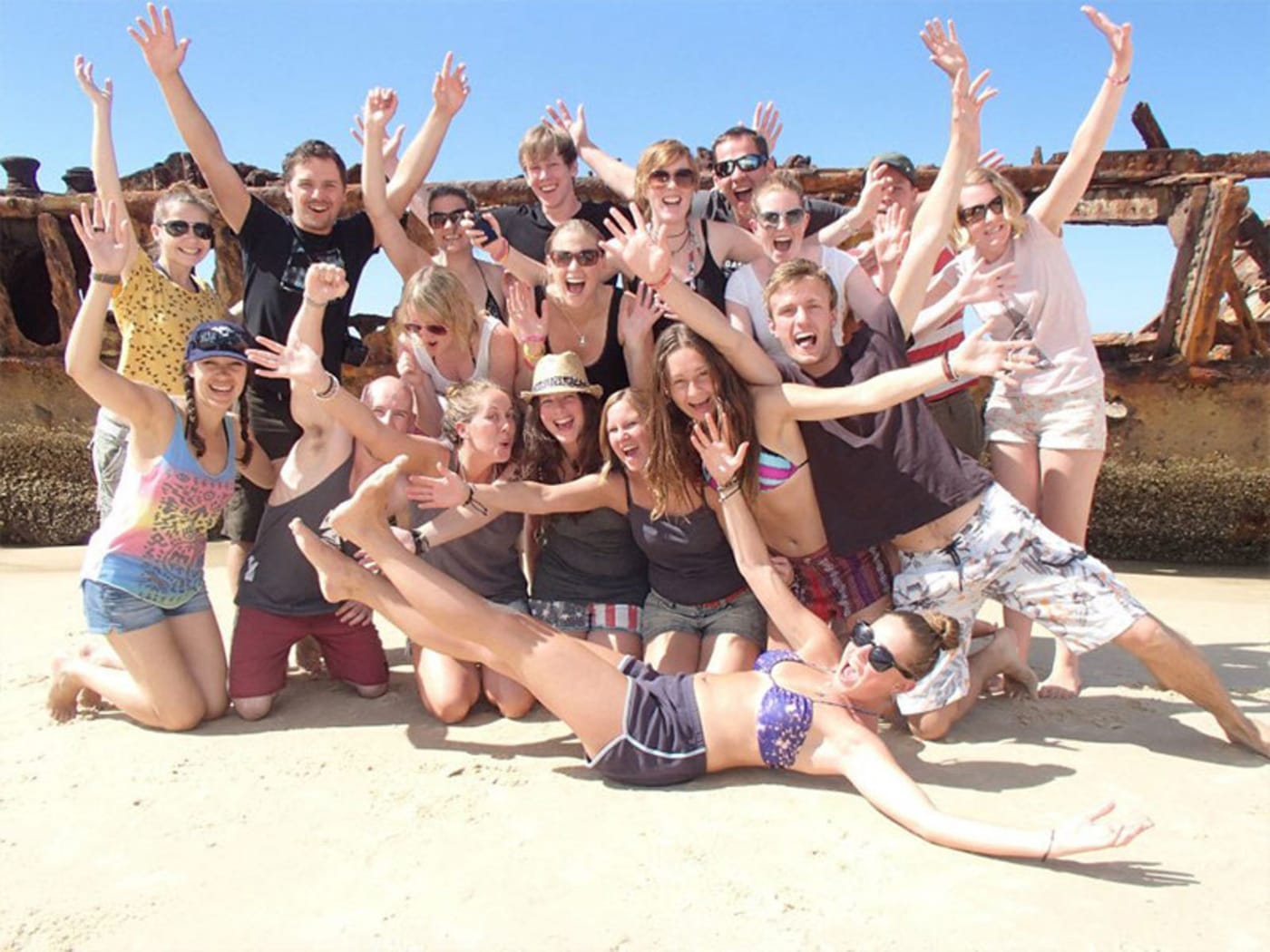
Somewhere around here, it happens. Someone you met yesterday waves you over. You make a plan for tomorrow with people whose names you didn’t know two days ago. You notice you haven’t thought about being alone for hours.
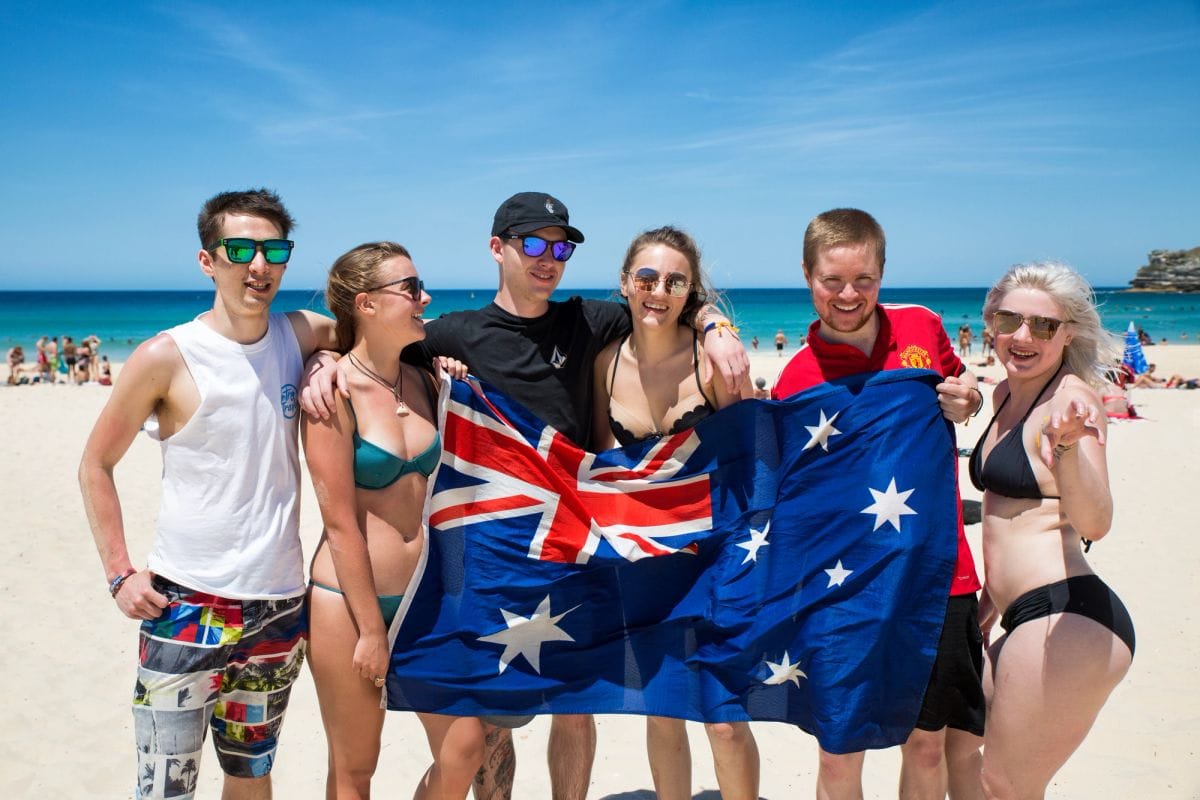
That’s the moment. It doesn’t land at exactly 48 hours for everyone. For some it’s the first night, for some it’s day four. But it comes, because backpacking Australia is set up around shared dorms, shared tours and the same road north. For what happens after that, read arrive solo, leave with mates.
If you’re still anxious: let someone else do the planning
A lot of the nerves are really about logistics. Where do I sleep? How do I get to the next town? What if the trip I want is full? You can take all of that off your plate.
- A guided group tour means you meet your group and tour leader on day one, and they’re with you every day after. The 28-day Oz East Coast Adventure runs Sydney to Cairns this way.
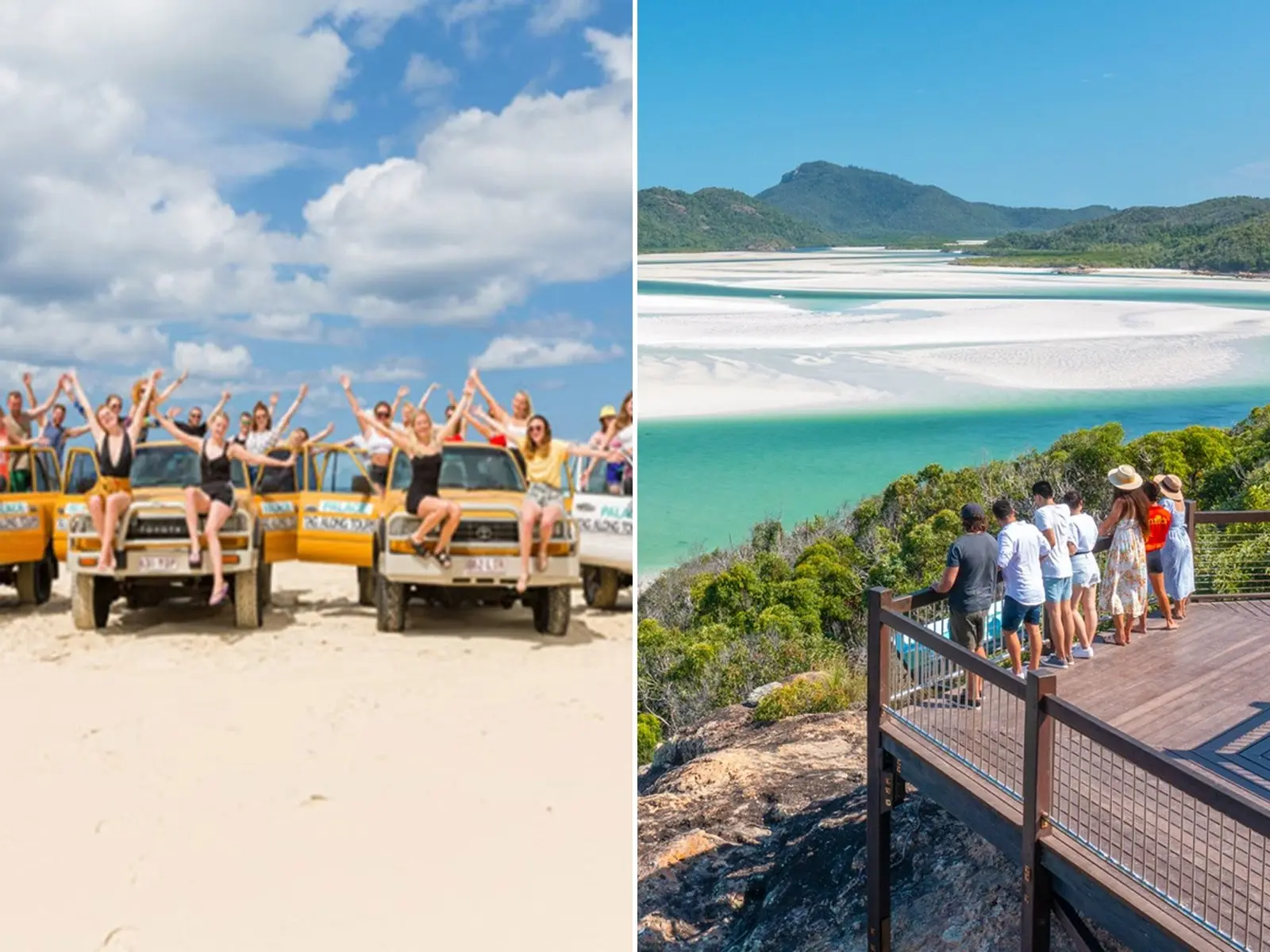
- A semi-guided trip (Travel Mates) is our own range: a set itinerary with every hostel, bus and big trip booked before you land, plus guides on the big days like K’gari and the Whitsundays. You choose your start date and just follow the plan. Try The Classic 21 Days, or the K’gari + Whitsundays Combo if you want to start smaller.
Either way, you only have to make one decision: booking it.
A few things that genuinely help
- Tell someone at home your plan for the first few days, and share your location with one person you trust.
- Keep a little money in reserve for a taxi or an extra night somewhere. Knowing it’s there takes the edge off.
- Pick social hostels for the first week. Save the quiet places for later, when you want them.
- Give it three days before you judge the trip. Day one is jet lag. Day three is the real trip.
- It’s fine to have a wobble. Calling home and feeling homesick doesn’t mean you can’t do this. It means you’re human.
For safety basics on the road (surf, sun, nights out, hostel lockers), the East Coast solo travel guide covers everything.
FAQs
Is it normal to be scared of travelling alone?
Completely. Most solo travellers feel nervous before they go and a bit lost on the first day. It usually fades within two or three days, once jet lag clears and you’ve met a few people.
What should I do on my first day travelling solo?
Get to your accommodation, shower, eat, get some daylight, then spend the evening somewhere social, like the hostel common area or an organised hostel event. Don’t plan anything big. The aim is just to get through day one and meet one or two people.
Is Australia a good first destination for solo travel?
Yes. It’s English-speaking, safe by world standards, and the East Coast backpacker route is built around social hostels and group trips, which makes it one of the easiest places in the world to travel alone for the first time.
What if I don’t make friends straight away?
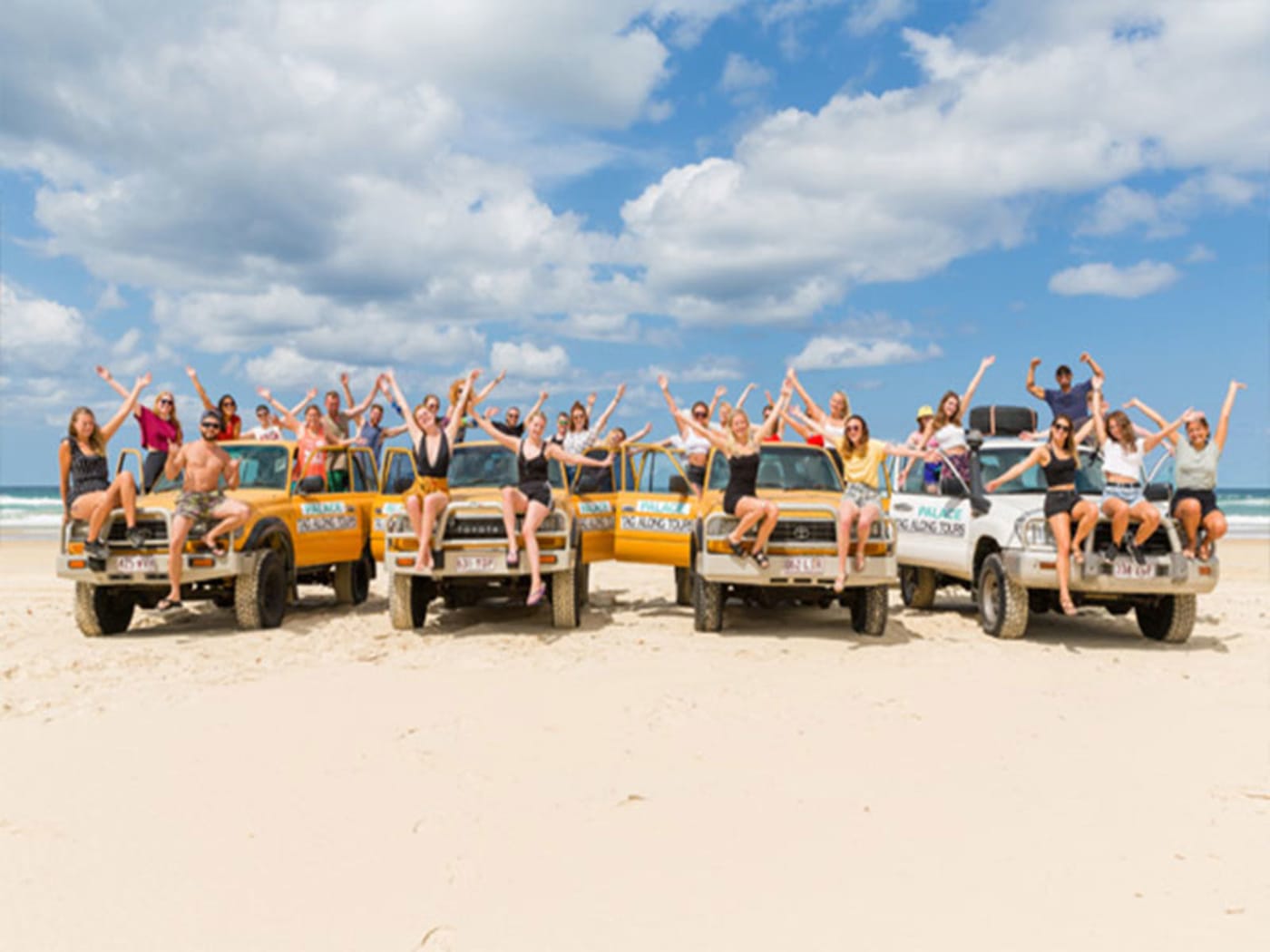
It’s normal for it to take a few days. Stay in social hostels, join their events, and book a group activity or multi-day trip. Trips like a K’gari tag-along or a Whitsundays overnight sail put you with the same small group for days at a time, which is where most solo travellers find their people.
Tagged