
Short answer: Byron Bay is a small beach town where backpackers learn to surf, paddle with a resident pod of dolphins, skydive and see live music. It is not cheap and it is busy. September to November is the sweet spot, with whales heading south, warming water and fewer crowds than summer.
Byron Bay is the stop on the East Coast where everyone planned three nights and stayed a week. It is a small beach town around the most easterly point of mainland Australia, with a surf break on every side of the headland, dolphins in the bay most mornings, and a main street that runs on coffee until about 9pm, when it switches to live music. It is also not cheap, and it is busy. Here is how to do it properly on a backpacker budget.
Getting your bearings
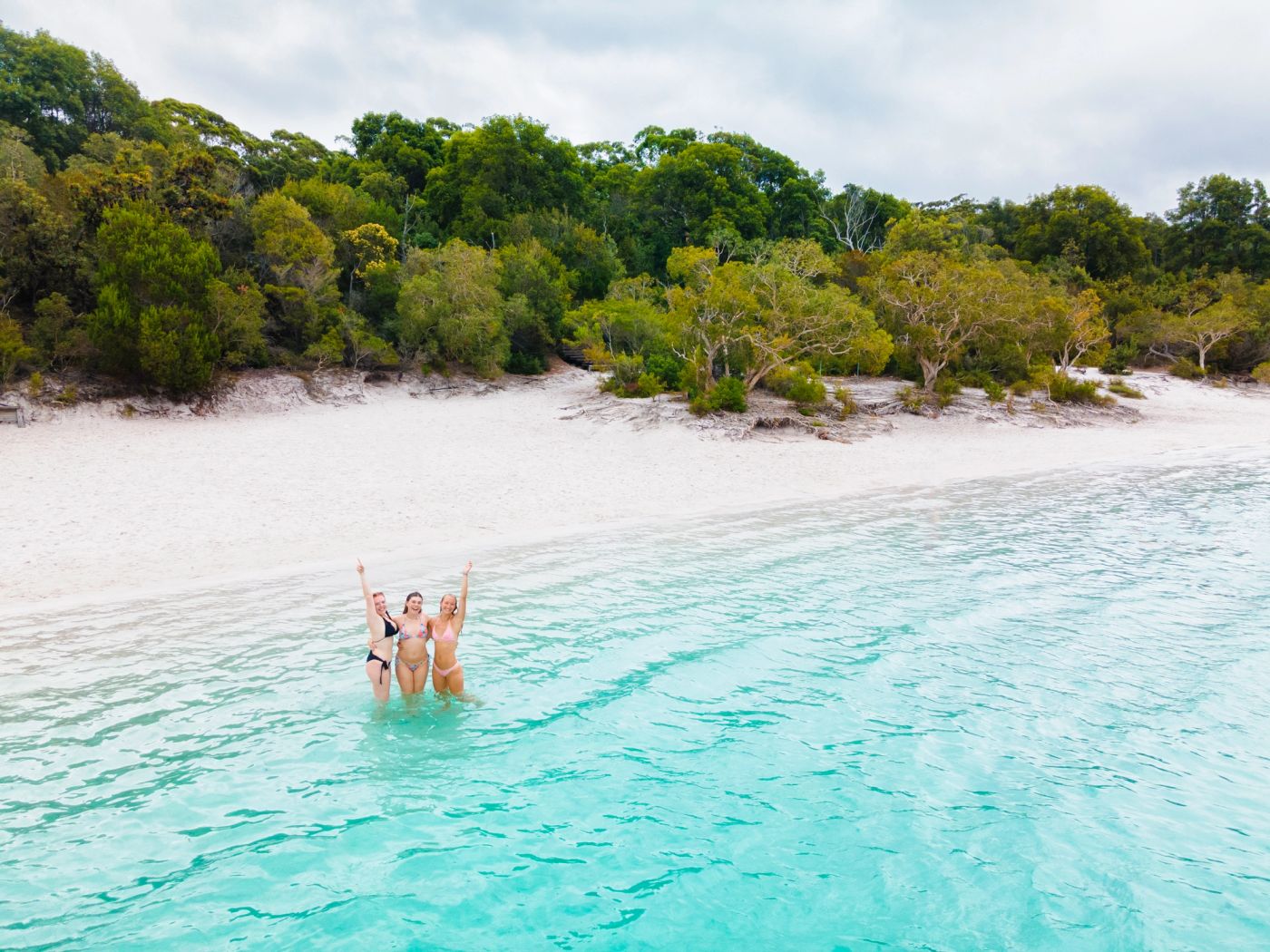
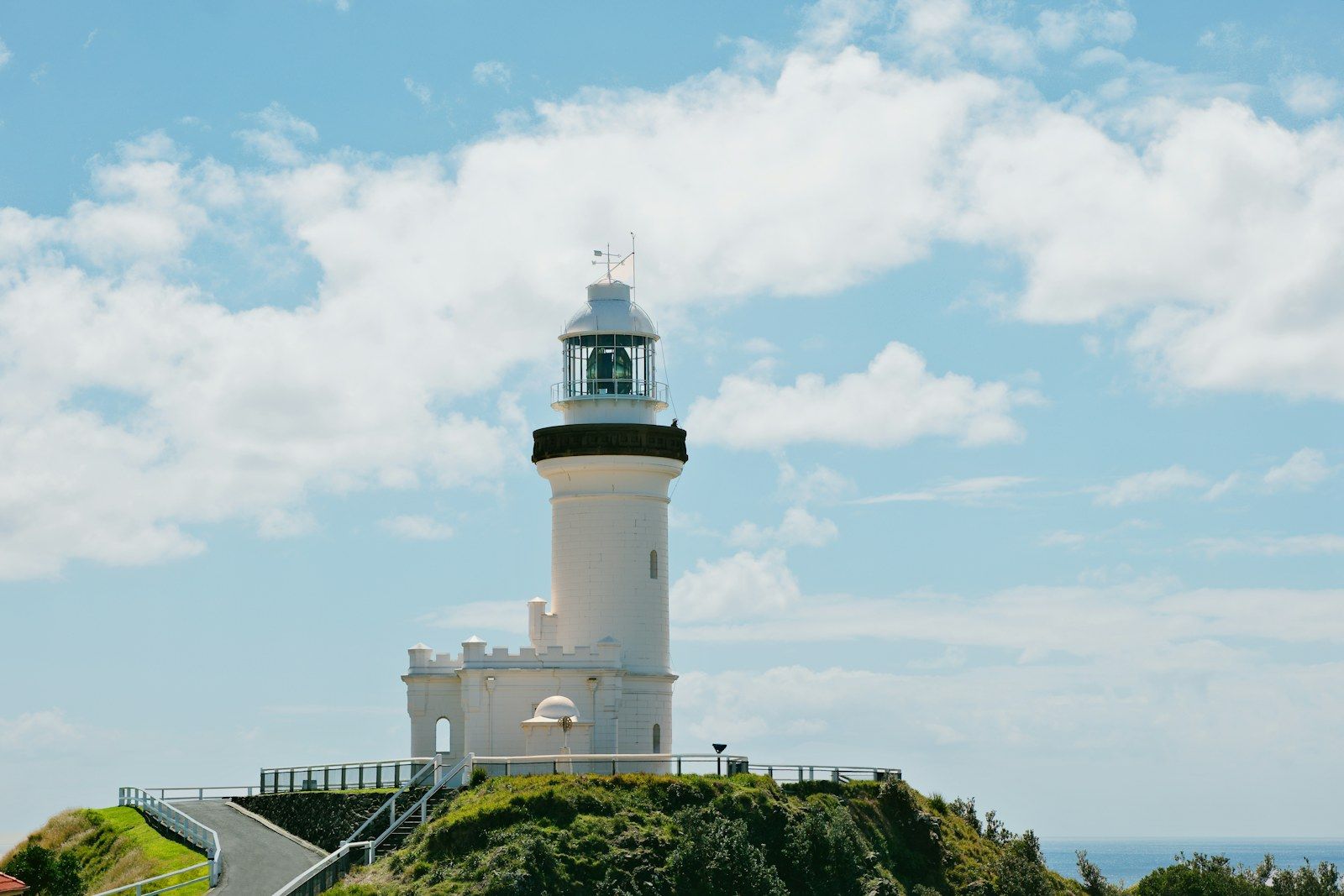
Town sits behind Main Beach. Walk east along the sand and you hit Clarkes Beach, then The Pass (the famous point break), then Wategos (the pretty one), then the headland and Cape Byron Lighthouse. Over the other side of the cape is Tallow Beach, long, wild and mostly empty. Everything in town is walkable; the lighthouse is about a 40 minute stroll from the main street. Hostels cluster in the centre and most run free or cheap bike hire, which is how you get to Tallow or out to the Arts and Industry Estate for the breweries.
Learn to surf in Byron Bay
If you are going to learn anywhere on the coast, learn here. The Pass and Clarkes are gentle, long, forgiving waves on a good day, which is exactly what you want when you are standing up for the first time. Schools run small groups with soft-top boards and instructors who spend the first hour on the sand before you ever get wet.
A Byron Bay Half-Day Surf Lesson runs October to April from $79 for a four-hour session starting at 8:30am, when the wind is usually lightest. If you want a tighter group and more time with the instructor, the 3-Hour Small Group Surf Lesson in Byron Bay is from $89.
One lesson gets most people standing. Two or three gets you actually surfing, which is why packs exist: the Byron Bay Surf & Stay (3D/2N) bundles lessons with your bed from $279, and the five-day Byron Bay Surf Tour from $409 is the pick if surfing is the reason you came.
What to bring: swimmers, a rashie if you have one (schools lend them), sunscreen, water. Boards and wetsuits are supplied. The water is warm enough for boardshorts from roughly November to May; the rest of the year a spring suit is handy and schools provide them.
SUP and kayaking with dolphins
Byron Bay has a resident pod of bottlenose dolphins that cruise the bay year-round, and the two best ways to meet them are on a paddleboard or in a sea kayak.
The Kayak with the Dolphins Tour is from $99 for two and a half hours. You launch from the beach in double kayaks, paddle out around the cape and look for dolphins and, depending on the season, turtles and whales. Sightings are common but never guaranteed; most operators offer a return trip if you see nothing, so ask when you book. Expect to get wet on launch and landing, and to use muscles you forgot you had.
If you would rather stand up, a two-hour Byron Bay SUP group lesson is from $89. On a calm morning in the bay it is a brilliant way to see the water and the dolphins without the arm workout of a kayak.
Whale watching season in Byron Bay
Humpback whales migrate north past Byron from around June to August and come back south with their calves from roughly September to November. The cape is one of the best land-based whale watching spots in the country: stand at the lighthouse in July and you will see blows on the horizon within minutes on a clear day, for free.
To get properly close, the Byron Bay Whale Watching Safari is from $139 for three hours, running during the season. Dress for wind and spray, and take seasickness tablets beforehand if you are unsure how you handle swell.
The Byron Bay skydive
The Byron skydive is one of the most popular on the coast for a simple reason: the view. You free-fall from 15,000 feet with the hinterland on one side, the coast running north and south, and the cape underneath you. The drop zone is a short drive north of town and transfers from Byron are included.
The Byron Bay Tandem Skydive 15,000ft (With Byron Bay Transfer) is from $379. Allow about three hours door to door, book a morning slot (calmer air, fewer weather cancellations), and eat a light breakfast. If you plan to skydive once on the whole trip, this and Mission Beach up north are the two most people choose between.
The Cape Byron lighthouse walk
Free, and the best thing in town. The Cape Byron walking track is a loop of roughly 3.7 kilometres that takes you from The Pass, along the cliffs above Wategos and Little Wategos, up to the lighthouse, and back through the bush on the Tallow side. Allow 90 minutes to two hours with stops.
Do it at sunrise. Being the most easterly point of the mainland, the cape is the first place in Australia to catch the sun, and sunrise at the lighthouse is a small daily pilgrimage for half the hostel. Take a jumper, water and your camera, and look down from the lookouts: dolphins, turtles and (in season) whales are regularly spotted from the cliffs.
Byron Bay nightlife: what to expect
Set your expectations correctly. Byron is not a party town in the way of the bigger cities or the Whitsundays boats. Licensing is tight, most venues wind down around midnight, and the vibe is live music, beer gardens and barefoot dancing rather than clubs.
What actually happens: late afternoon drinks at the beachfront pubs as the sun drops behind the hinterland, live bands most nights of the week, hostel bars that run cheap dinners and events, and a fair bit of sitting on Main Beach with a guitar. Thursday morning is the farmers market, and the first Sunday of the month is the big community market. The breweries out in the Arts and Industry Estate are worth an afternoon.
Hostels are the engine of the social scene here. Pick a social one, join whatever they are running that night, and you will have a crew by the end of the first evening.
Rough budget
Byron is one of the pricier stops on the coast. Dorm beds are typically higher than Brisbane or Cairns, and eating out adds up fast. Keep it manageable by cooking at the hostel, using the free stuff (beaches, the lighthouse walk, the Sunday market, dolphins from the headland), and spending on one or two things you really want: a surf lesson and a skydive, say, rather than a bit of everything.
How long to stay
Three nights covers a surf lesson, the lighthouse walk, a kayak and a couple of good evenings. Five is better if you want to surf more than once, add the skydive, and have a slow day. If you are doing the coast on a set itinerary, our Byron to Cairns 17-day semi-guided adventure starts here from $2,999 with your hostels and headline tours booked and your choice of start date.
More on the town, the beaches and everything bookable on our Byron Bay page, and the wider route on East Coast Australia.
FAQs
When is the best time to visit Byron Bay?
September to November is the sweet spot: whales heading south, warming water, fewer crowds than summer. December to January is busiest and most expensive. Winter (June to August) is cooler but clear, with the northbound whale migration and uncrowded surf.
Can you see whales from the shore in Byron Bay?
Yes. The Cape Byron lighthouse lookouts are one of the best land-based whale watching spots in Australia during the migration (roughly June to November). Bring patience and, if you have them, binoculars.
Is Byron Bay good for beginner surfers?
Very. The Pass and Clarkes Beach offer long, gentle waves on the right day and every surf school in town teaches beginners there. Book the early morning session for the calmest conditions.
How do I get to Byron Bay without a car?
Coaches on the East Coast route stop in the centre of town, and the nearest airport is Ballina, about 30 minutes south by shuttle. Gold Coast airport is around an hour north with shuttle connections too.
Tagged