

Short answer: the best time to visit Fiji for island hopping is May to October. That’s the dry season: cooler (about 17°C to 28°C), much less rain, calmer conditions for the boat, and manta season in the Yasawa channels. It’s also peak season, so book beds early, especially around Australian and New Zealand school holidays. November to April is the wet season: hotter (up to 31°C to 32°C), humid, with short heavy downpours, and it’s cyclone season, peaking January to March. It’s quieter, and the sea is 26°C to 28°C all year.
Weather figures below are Tourism Fiji’s monthly averages. Season dates come from the Fiji Meteorological Service. Manta and trip details come from the Fiji trips we sell.
Fiji’s two seasons
| Dry season | Wet season | |
|---|---|---|
| Months | May to October | November to April |
| Temperature | about 17°C to 28°C, coolest in July and August | about 22°C to 32°C, warmest in January and February |
| Rain | about 95 to 224 mm a month | about 125 to 321 mm a month, often short afternoon downpours |
| Humidity | lower | higher |
| Cyclones | rare (occasionally one forms in May or October) | cyclone season, peak January to March |
| Mantas in the Yasawas | in season | out of season: manta swims become guided reef snorkels |
| Crowds | peak season | quieter |
The sea doesn’t change much: Tourism Fiji puts it at 26°C to 28°C year round, so you can swim in any month.
The Nadi side of Viti Levu, where you land and where the island boats leave from, is the drier, sunnier side of the main island. The Mamanuca and Yasawa Islands sit off that same west coast.
Fiji weather month by month
| Month | Temperature | Average rain | Season | Mantas |
|---|---|---|---|---|
| January | 25°C to 31°C | 236 to 296 mm | Wet, cyclone peak | No |
| February | 25°C to 32°C | 251 to 315 mm | Wet, cyclone peak | No |
| March | 24°C to 31°C | 260 to 321 mm | Wet, cyclone peak | No |
| April | 23°C to 30°C | 230 to 287 mm | Wet, rain easing | No |
| May | 21°C to 28°C | 179 to 224 mm | Dry season starts | Season starts |
| June | 18°C to 26°C | 133 to 167 mm | Dry | Yes |
| July | 17°C to 25°C | 122 to 153 mm | Dry, coolest | Yes |
| August | 17°C to 26°C | 108 to 134 mm | Dry, coolest | Yes |
| September | 18°C to 27°C | 95 to 119 mm | Dry, lowest rain | Yes |
| October | 20°C to 29°C | 103 to 129 mm | Dry, warming up | Season ends |
| November | 22°C to 31°C | 125 to 157 mm | Wet and cyclone season start | No |
| December | 23°C to 32°C | 166 to 208 mm | Wet | No |
January to March. The hottest, wettest stretch and the peak of cyclone season. Most rain falls as short, heavy afternoon showers rather than all-day grey, but a cyclone can hold the boats for a day or more. Leave a spare night in Nadi before your flight home and get travel insurance that covers weather delays.
April. Still wet and warm, with rain starting to ease. Easter falls here most years, and it’s a public holiday weekend in Fiji too.
May. The changeover month. Rain drops, humidity eases and manta season starts in the Yasawa channels. A good month if you want dry-season weather before the mid-year holiday rush.
June to August. The coolest months, with nights down to about 17°C. Pack a light jumper for the boat and the evenings. Prime manta season and the busiest time on the islands: Australian and New Zealand mid-year school holidays land in late June and July.
September and October. The driest months on average, still in manta season, and warming up again. School holidays in late September and early October bring a second busy patch.
November and December. The wet and cyclone season begins in November, the mantas have moved on and the islands quieten down until the Christmas and summer school holidays. Tourism Fiji calls December and January the value months, when flights and beds can be easier to find.
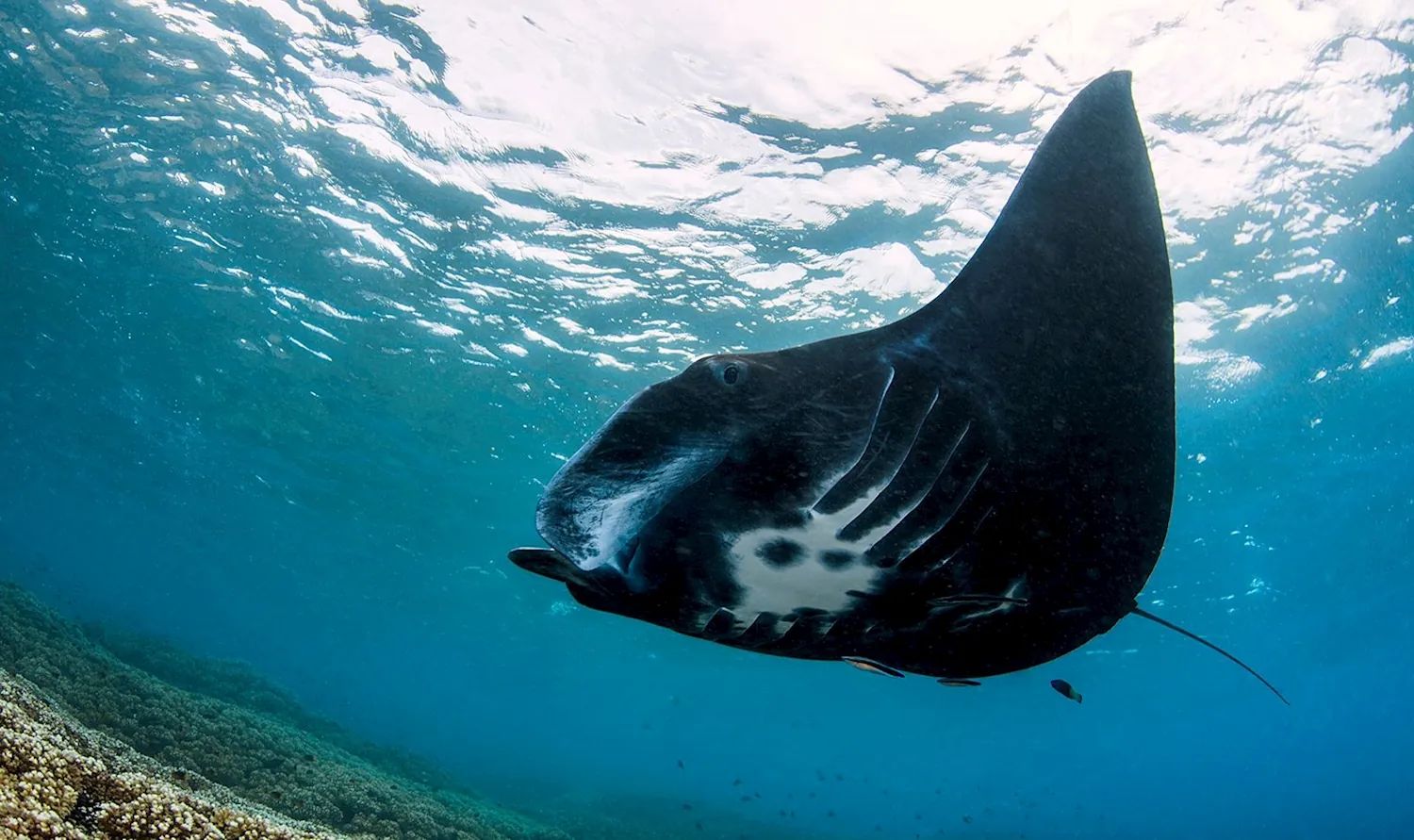
Manta season: May to October
Manta rays feed in the channels of the Yasawas from roughly May to October. They’re wild animals, so nobody can promise a sighting on a given day, and the more nights you spend in manta country, the better your odds. On our set packages, the manta swim is included in season and becomes a guided reef snorkel outside it:
- Fiji 4 Days, 2 Islands, from $808: two nights in manta country.
- Fiji 5 Days, 3 Islands, from $927: two nights in manta country, plus Kuata’s reef sharks.
- Fiji 7 Days, 4 Islands, from $1,279: two nights in manta country and the Blue Lagoon.
- Fiji 12-Day Island Explorer, from $1,709: three nights in manta country, the best odds on the route.
Short on time? The Manta Ray Snorkel Day Trip, from $294, goes out from Denarau and back in a day.
The reef sharks at Kuata (black-tip and white-tip, on a reef 4 to 6 metres deep) are there year round. That snorkel is on the Kuata shark snorkel overnight and most of our set packages.
Cyclone season: what it means for your trip
The Fiji Meteorological Service sets the tropical cyclone season as November to April, with most activity from January to March. Cyclones occasionally form in October or May. Tourism Fiji notes that damaging cyclones are relatively rare, but if a system comes through, boats to the islands can be held until it clears.
- Keep a buffer. Plan your last island night at least one night before your flight home. Our departure packs cover the coach from Port Denarau, a mainland night and the airport transfer.
- Insure it. Get travel insurance that covers weather delays and cancellations.
- Check the forecast. The Fiji Meteorological Service publishes warnings at met.gov.fj.
School holidays and crowds
Tourism Fiji says the peak season lines up with the dry season and the school holidays. For island hoppers from Australia and New Zealand, that means:
- Late June and July (mid-year school holidays): the busiest window, in prime manta season.
- Late September and early October (spring holidays): busy again, and in the driest months.
- Mid-December to January (summer holidays): busy around Christmas and New Year, even in the wet season.
Island resorts are small and dorms fill first. If your dates hit a school holiday, book beds before you fly rather than on the boat. The Yasawa Pass or a set package does that for you.
Fiji public holidays
These are the public holidays the Fiji Government declared for 2026 (Gazette No. 95, 9 October 2026). Dates for 2027 are set by gazette each year, so check before you lock in plans around one.
| Holiday | 2026 date |
|---|---|
| New Year’s Day | Thursday 1 January |
| Good Friday | Friday 3 April |
| Easter Saturday | Saturday 4 April |
| Easter Monday | Monday 6 April |
| Girmit Day | Friday 15 May |
| Ratu Sir Lala Sukuna Day | Friday 29 May |
| Prophet Mohammed’s Birthday | Monday 24 August |
| Fiji Day (observed) | Monday 12 October |
| Diwali | Monday 9 November |
| Christmas Day | Friday 25 December |
| Boxing Day | Monday 28 December |
Sundays in Fiji
Sunday is church day in Fiji and a rest day in the villages. Village visits don’t usually run on Sundays, and the Sawa-i-Lau caves near the Blue Lagoon don’t open on Sundays. If your route has a Sunday at the top of the chain, plan the caves for another day. Everything else about a Sunday on the islands is the same: swim, snorkel, hammock. More on Sundays, church and village etiquette is in Fiji for first-timers.
So when should you go?
- Mantas and the best weather: May to October. Book early for late June, July and the spring holidays.
- Quiet islands and warm water: November to early December, or April, with a spare night as a cyclone buffer.
- Christmas in Fiji: go, but book beds months ahead and allow for wet-season weather.
Once you have your dates, pick a route in Fiji itineraries for 5, 7, 10 and 14 days, or compare every package side by side in Fiji island-hopping packages compared. Live prices for every Fiji trip we sell are on Fiji tour prices, and the islands themselves are on our Fiji travel guide.
FAQs
What is the best month to visit Fiji?
For island hopping, September is hard to beat: it’s the driest month on average (95 to 119 mm of rain), it’s in manta season, and the mid-year school holiday crowds have gone home. Any month from May to October is good.
When is the wet season in Fiji?
November to April, according to the Fiji Meteorological Service. It’s hotter and more humid, with most rain in short, heavy afternoon showers. January to March is the wettest stretch.
When is cyclone season in Fiji?
November to April, with the peak from January to March. Cyclones occasionally form in October or May. Keep a spare night before your flight home and take insurance that covers weather delays.
When can you swim with manta rays in Fiji?
Roughly May to October, when mantas feed in the Yasawa channels. They’re wild, so sightings aren’t guaranteed. Outside the season, the manta swim on our packages becomes a guided reef snorkel.
Is Fiji cold in July?
Not by Australian standards. Tourism Fiji’s July averages run 17°C to 25°C, and the sea stays about 26°C to 28°C. Evenings and the boat ride can feel cool, so pack a light jumper.
Is it worth going to Fiji in the wet season?
Yes, if you want quieter islands and don’t mind humidity and afternoon rain. The water is warm all year. Build in a buffer night before your flight in case a storm holds the boats.
When is Fiji busiest?
During the dry season, and especially Australian and New Zealand school holidays: late June and July, late September and early October, and mid-December to January.
Do the islands close on Sundays?
No. The resorts and the beaches are open, but village visits don’t usually run and the Sawa-i-Lau caves don’t open on Sundays.
Plan your Fiji trip
Tell us your dates and how you like to travel, and we’ll put the boat, the islands, your beds and your Nadi nights together as one package price. It’s free, there’s no obligation, and your personalised quote comes within hours: plan your Fiji trip.
Bundle your Fiji trip and save up to 8%. On trips that combine 2 or more parts (5% for 2, up to 8% for 3+), quoted in one package price.
Want the details offline? Our free Island Hopping Fiji guide covers the islands, the boat passes, manta season, costs on the ground and a packing list, as a page or a printable PDF.
Tagged


